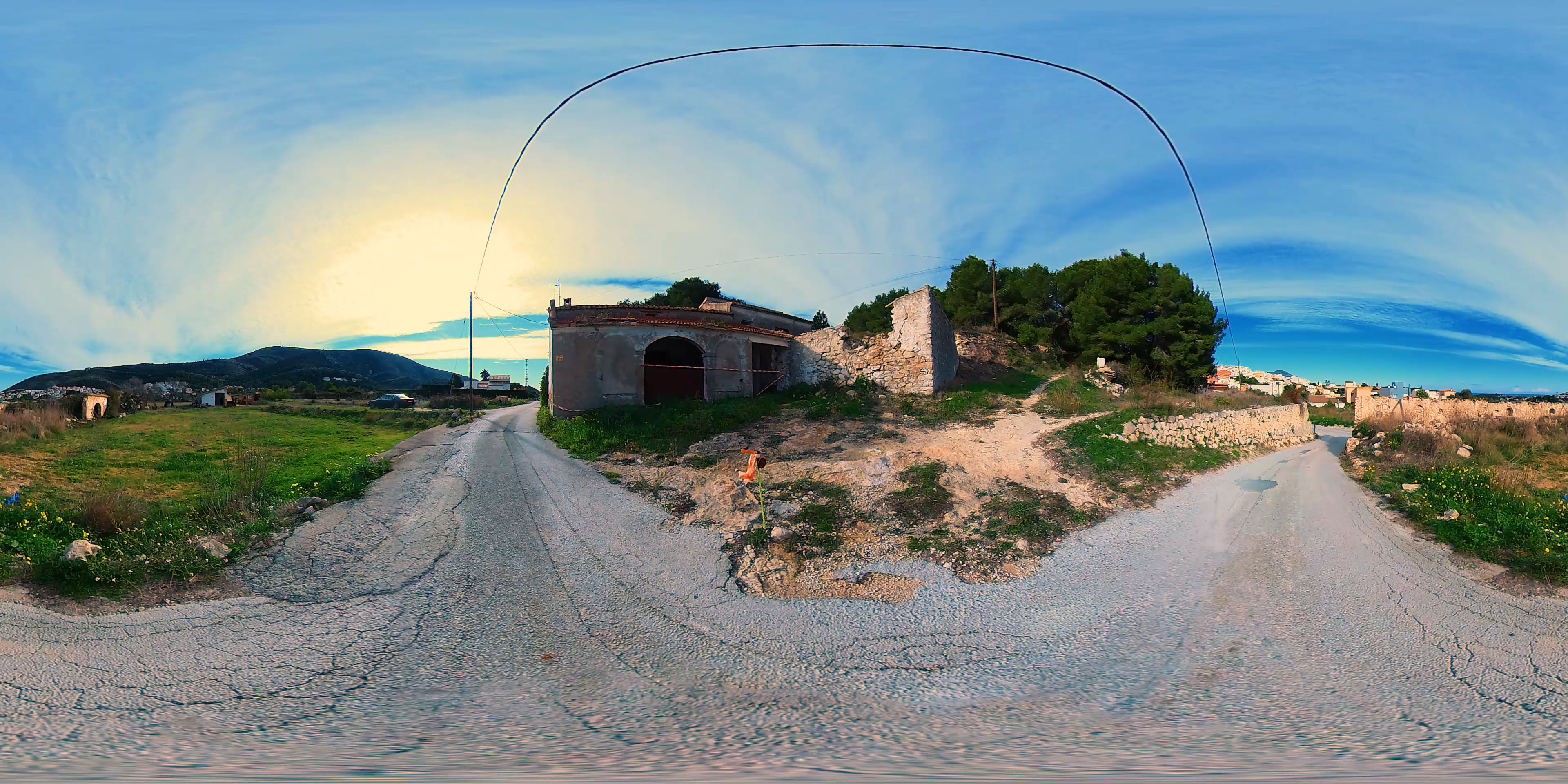
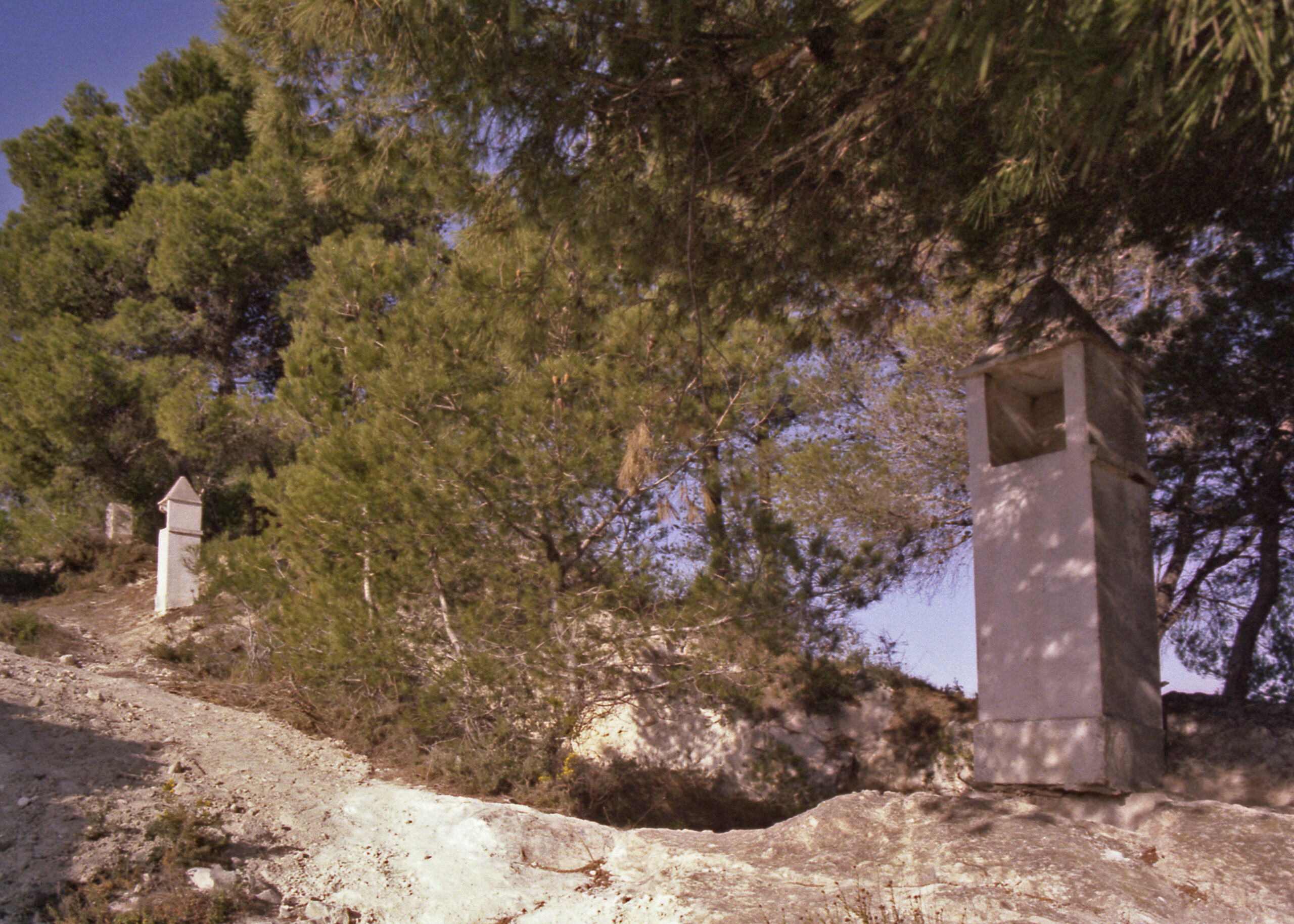
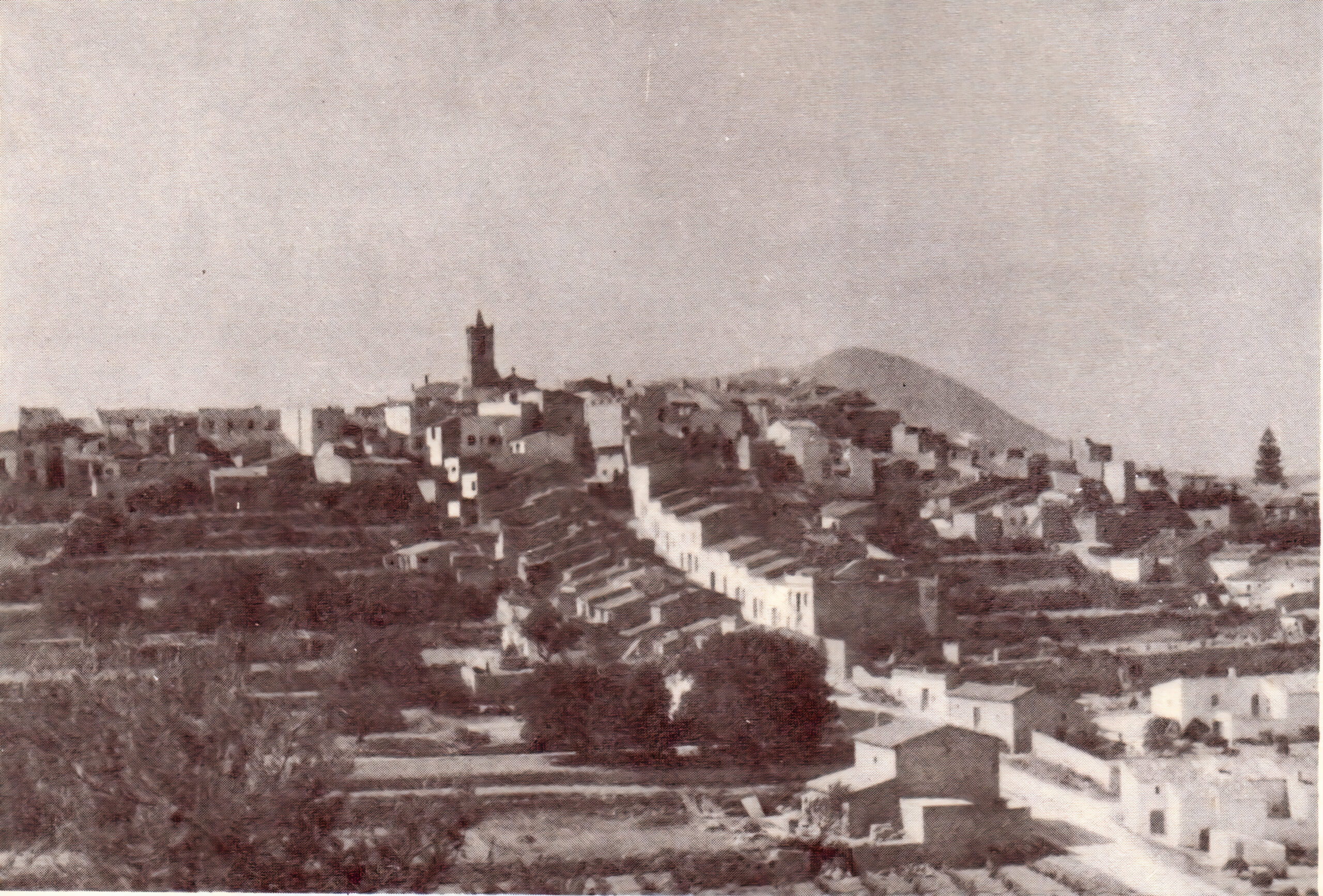
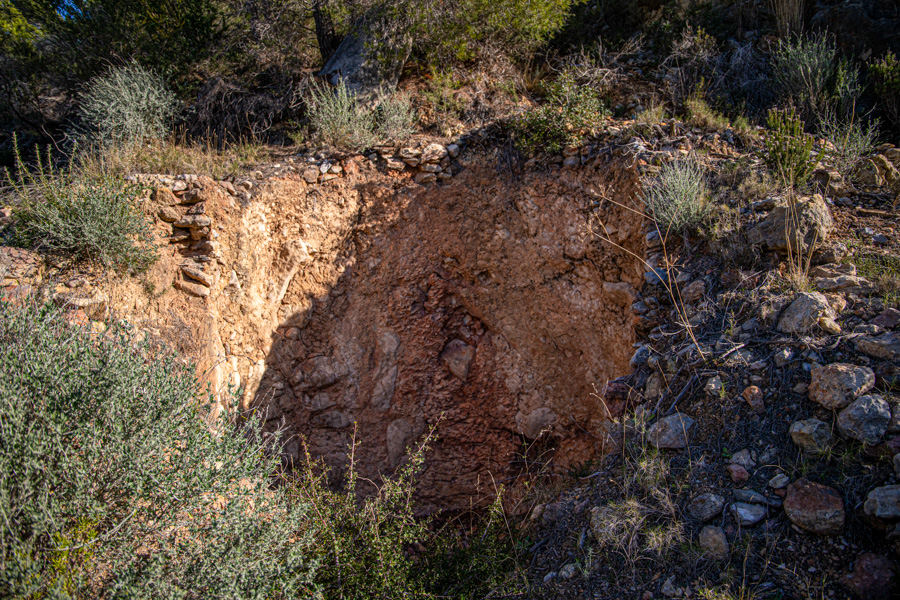
Calvary, Pinaret, riu rau de la Tora. As we know, the Christian tradition in El Poble Nou de Benitatxell has been rooted for centuries. The watercolor paintings made by the Swiss Andrés Lambert Perret proved this Christian tradition. These paintings were done of the area and of small chapels, known as capelletes, whose ruins can still be seen.
These small chapels were part of the calvary, the place where we are now, and where the Via Crucis was held. This tradition has disappeared over time, but it was deeply rooted in the town. The painter Andrés Lambert was surprised, and there is written evidence, because the inhabitants of Benitatxell continued making the Via Crucis, despite having the chapels demolished, stopping on their ruins.
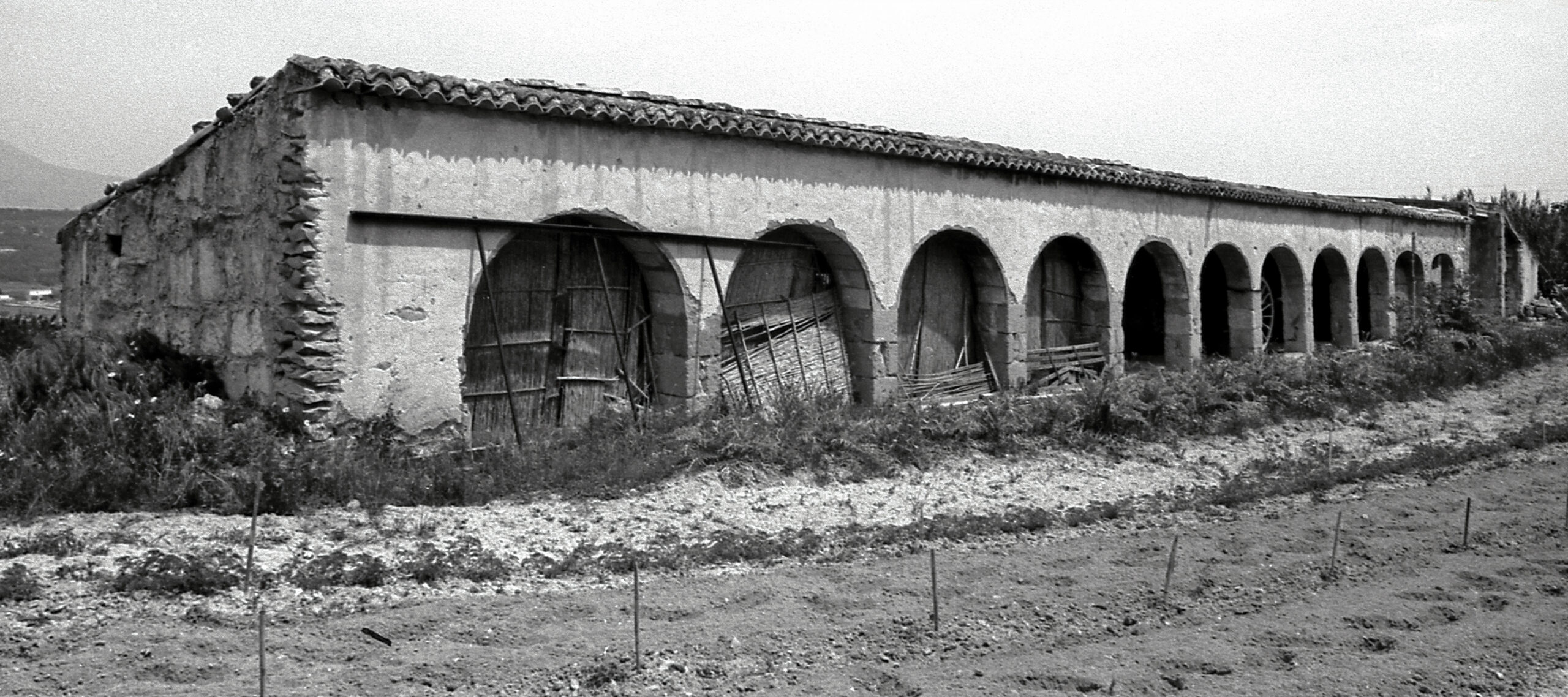
On the other hand, the riu rau de la Tora is another of the most relevant elements of the place. The riu raus are a very characteristic building of the Marina Alta area, where the raisins are kept mainly to protect them from inclement weather.
The first evidence of this type of building dates from the middle of the 19th century, when Mados spoke about the country houses of Xabia, which had a roof attached commonly called riu rau. In particular, the riu rau de la Tora has a rectangular floor, facing south, covered at the back with ten arches and rough stone pillars with clay tiles. The arches at the ends are blocked off. There is a drying room in front of the river, with a stove to dry the raisins. There is no doubt that this is the most characteristic building of El Poble Nou de Benitatxell’s countryside.