Tinema Cervera, The Tinema came to El Poble Nou de Benitatxell during the Second Republic, a time of cultural and artistic blooming, and with a clear intention of bringing culture to rural areas.
In 1934, the constructor Ambrosio Cervera, together with the doctor Vincente Noera, set the first cinema in town, just in the entrance of the town by Teulada, current Alicante Avenue, in the place known as the Hernandez Square later.
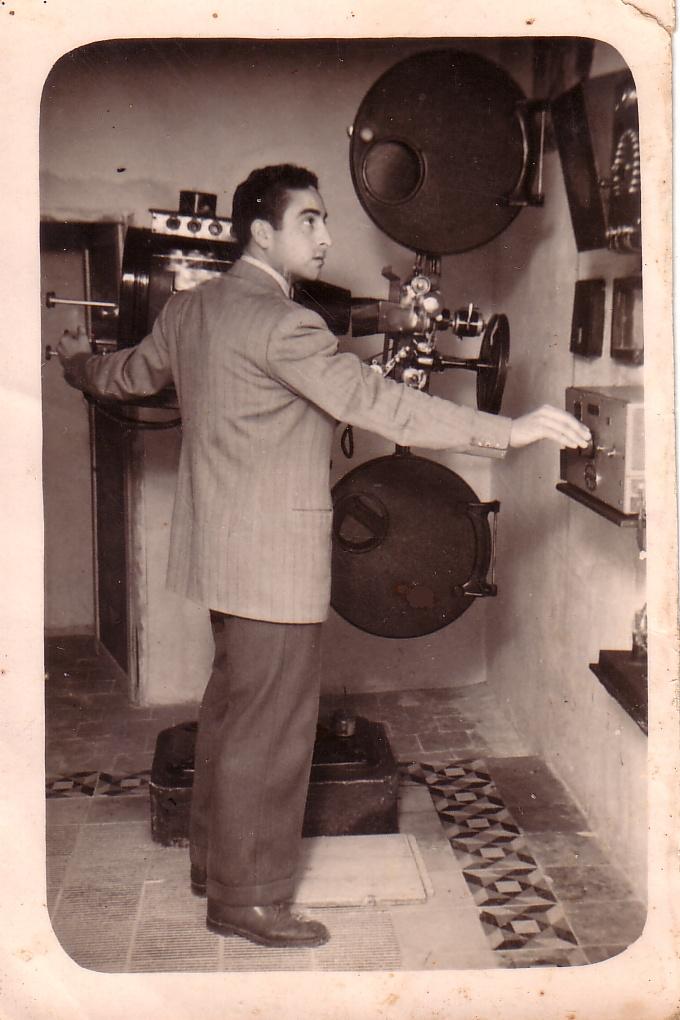
Although, who was responsible of the cinema management, since he was a child, was Ambrosio’s son, Juanito Cervera, who went to Valencia to get the films for the cinema dressed in shorts, a typical clothing at that period, a fact that his own daughters have told. Along the Civil War, 1936 through 1939, only plays were performed at the Tinema, due to the lack of films. Ten years after the opening of the first cinema, in 1944, Pedro Marquez opened a new cinema at the building where we are standing now. Nevertheless, the business of Pedro’s cinema did not last long.
In 1945, the two cinema companies that we had in town interchanged both establishments. In this way, Ambrosio Cervera acquired the cinema, which was then called Cinema Cervera, and was run by him and his family. Later, it was managed by his son, Juanito Cervera. During the 30s and part of the 1940s, the cinema had only silent films, until 1948, when the sound cinema came with the film El negro que tenía el alma blanca.
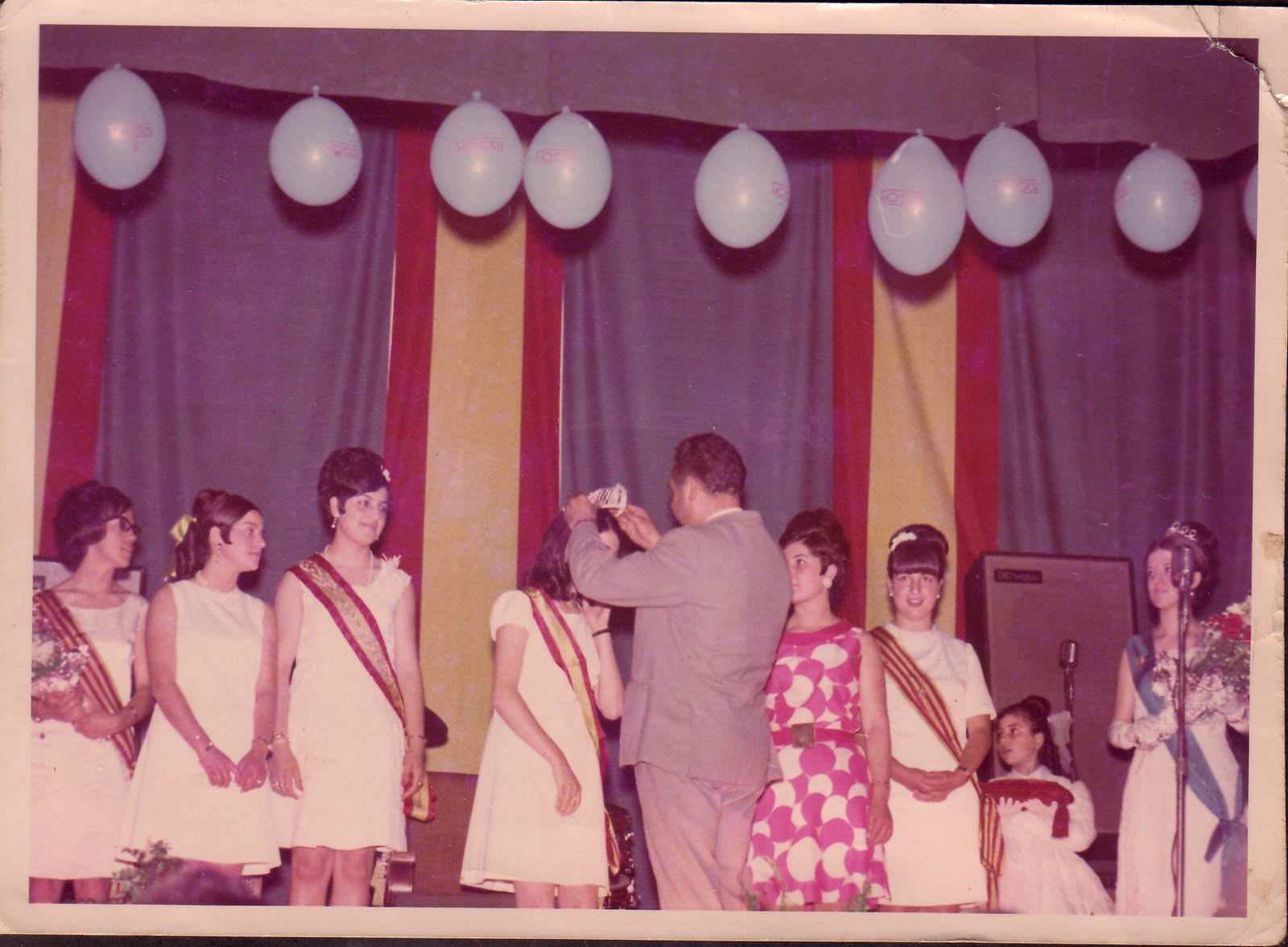
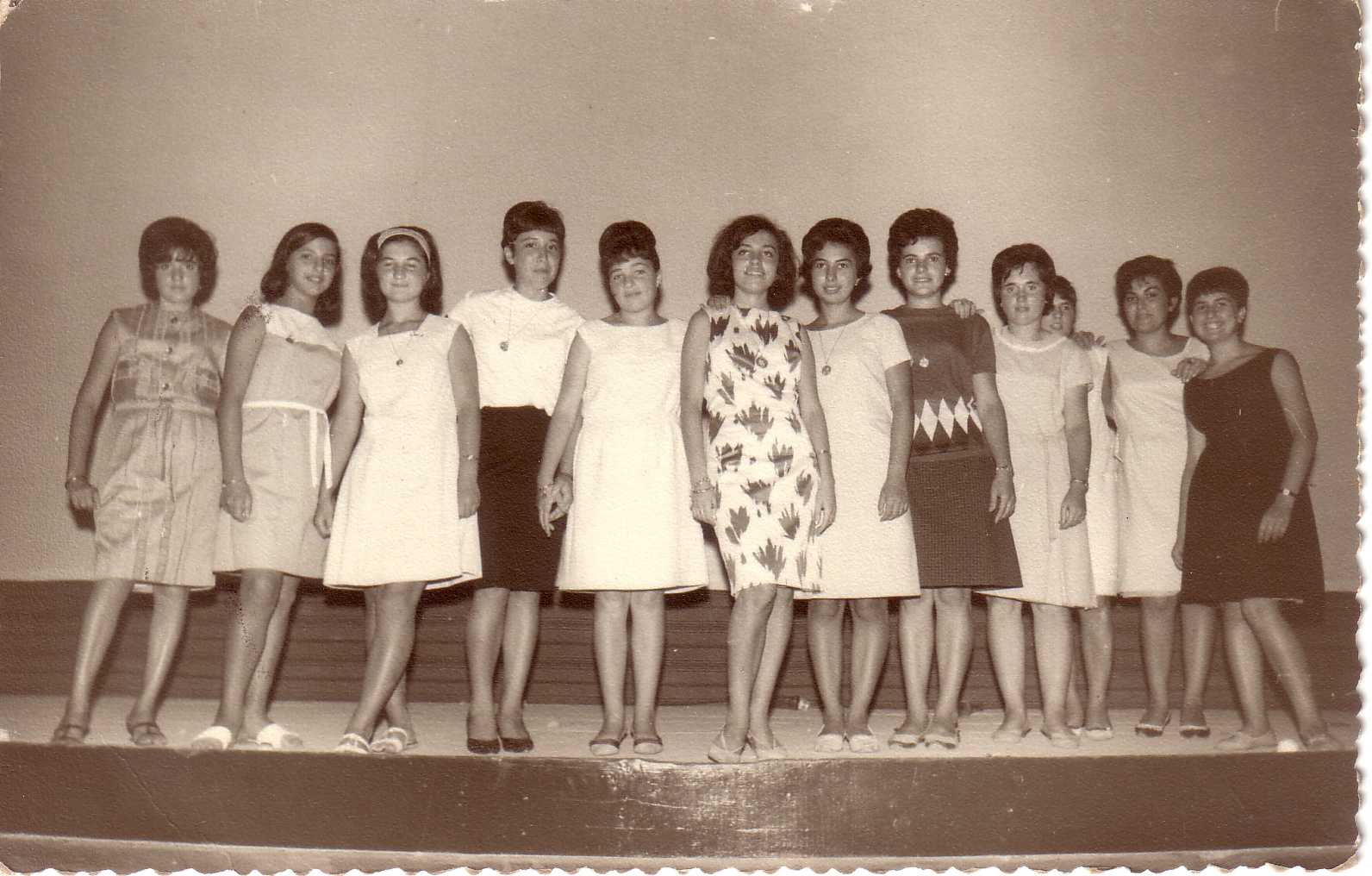
During the post-war period, the films suffered from the Falange censorship, and above all, from the Catholic Church. Dealing with this type of control, the Catholic Church put up informative posters on the doors of the churches, with moral and religious evaluations and considerations about the film. Apart from being a cinema, the Cervera Cinema was a cultural and leisure place, where cultural activities took place, such as sainetes performances, festival presentations, the coronation of the Queen, or the delivery of the gifts on the Three Wise Men Day.
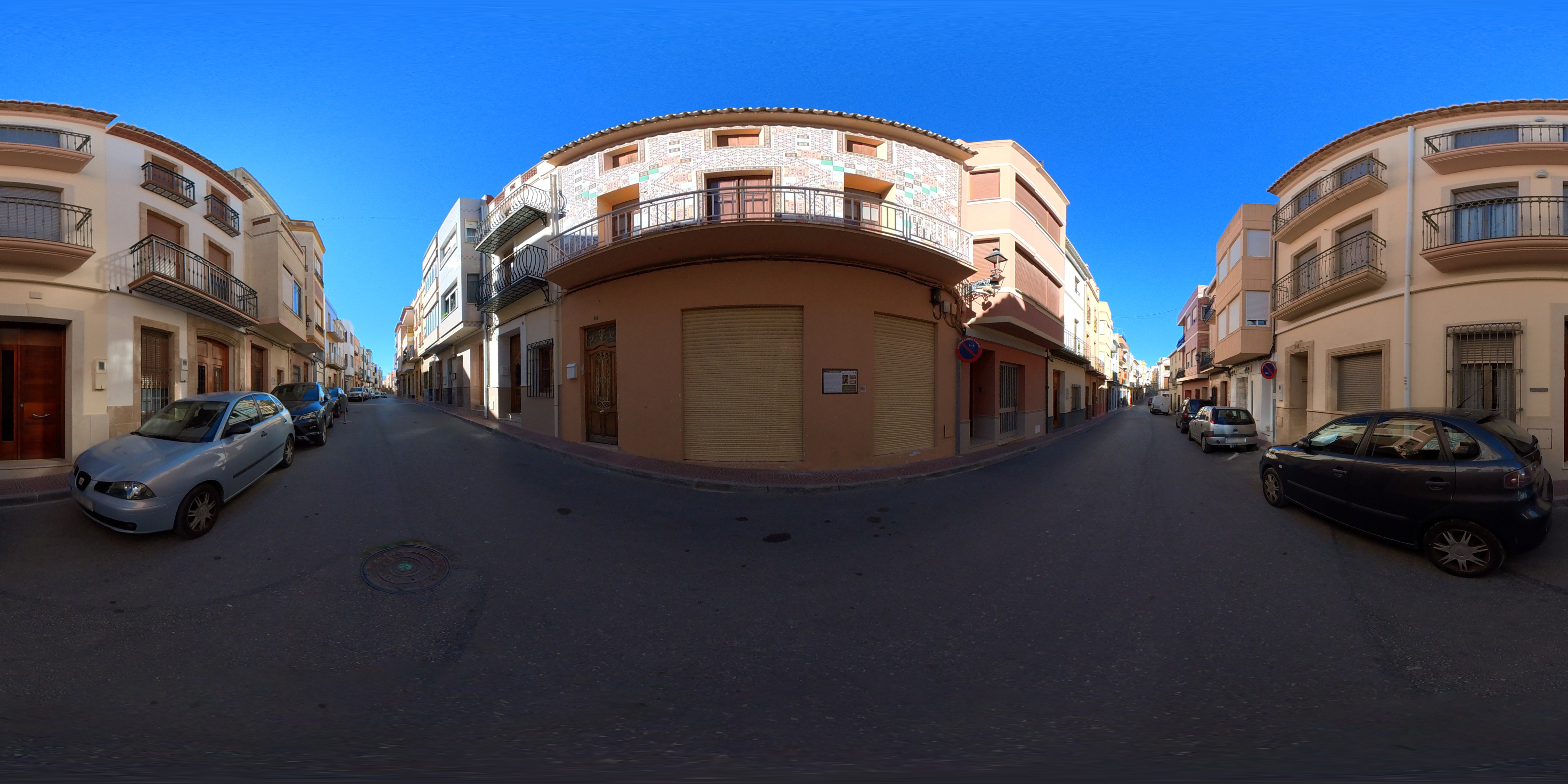
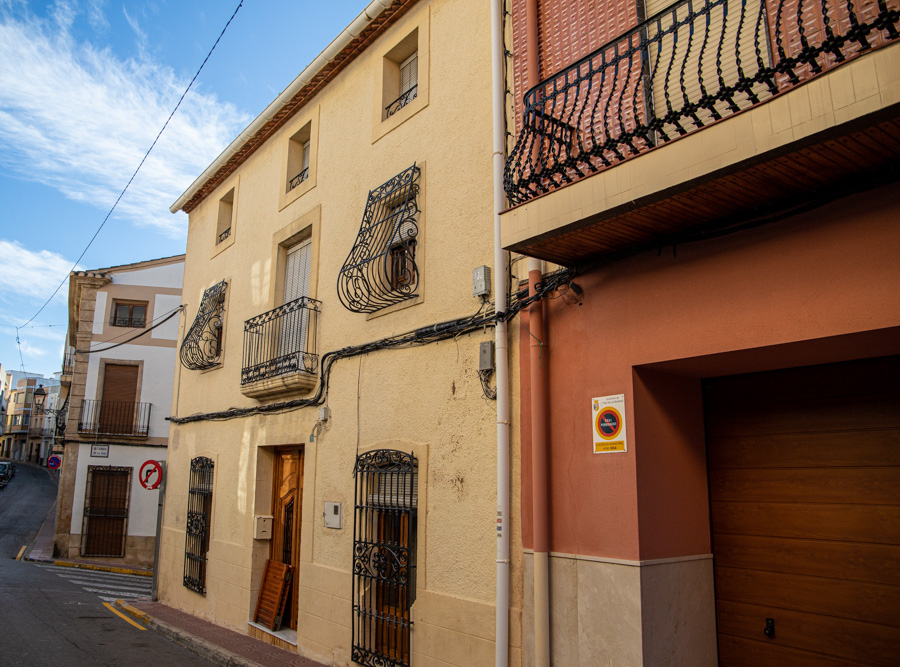
The cinema closed in 1985, after having been more than 40 years the most important place for culture, social, and love relationships in the village. We pay special attention to its façade. The façade has an architectural and artistic style related to modernism, a style that is very popular in the maritime houses in the districts of Valencia.